In artisanal transformation, the trade is sustained by oral transmission from one generation to the next. There is no manual: there is a master, an apprentice and repetition.
Most artisans work at the spinning stage, using hand tools and rustic horizontal looms. These are devices built locally, from materials at hand, fitted to the person who uses them and repaired by that same person. That technical autonomy — being able to make and maintain your own tool — is inseparable from the craft.
Although a large proportion of the thread goes into agricultural packaging, a valuable share is turned into diversified crafts such as rugs, hats, table mats and alpargatas. The difference between one destination and the other lies not in the fibre but in the design decision and the working time given to it.
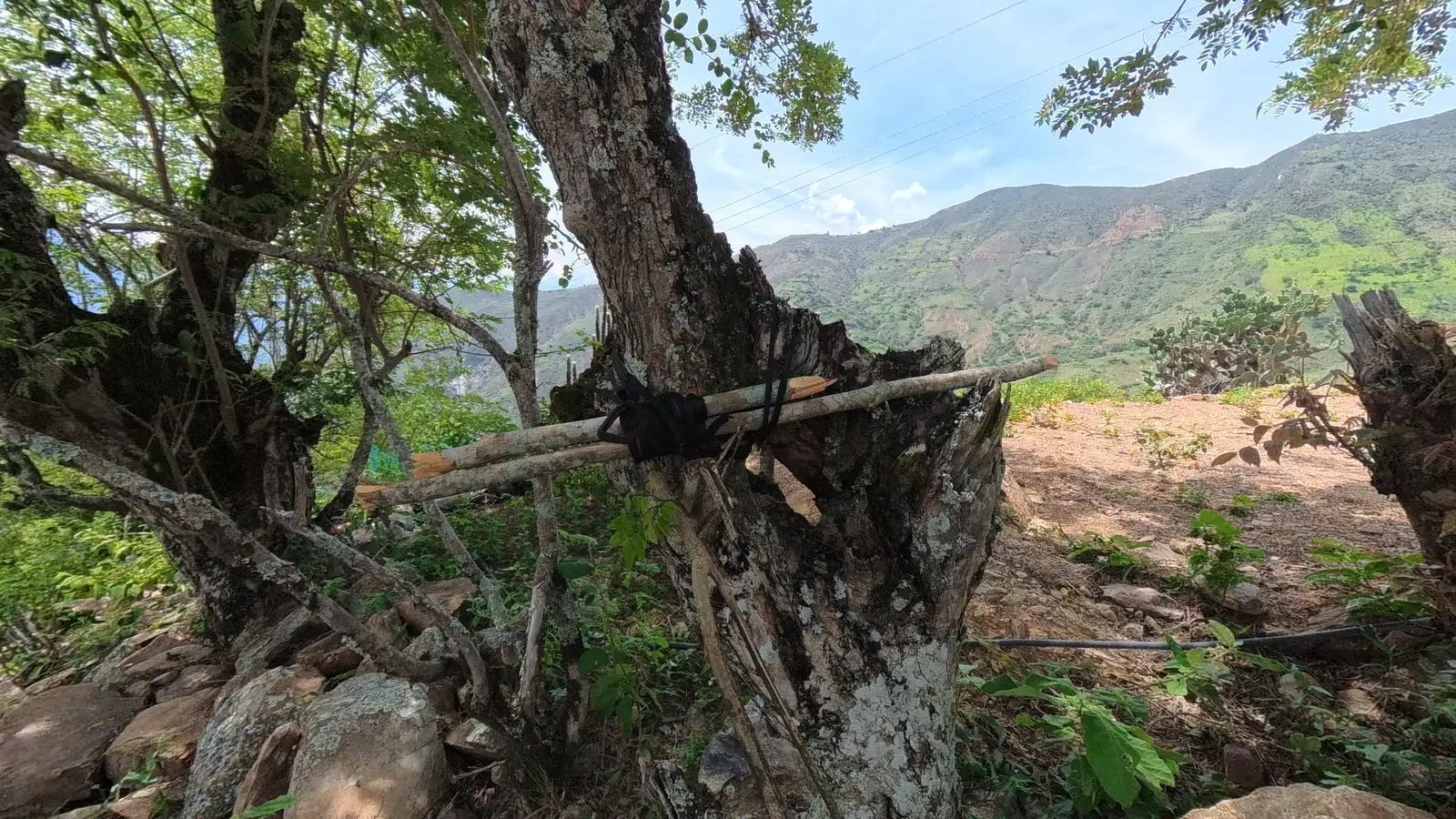
The gesture of varillado
Varillado demands a precise combination of force and control. Too much pressure breaks the filaments and produces short, lower-value fibre; too little leaves pulp adhering, which darkens the cabuya as it dries. That middle point is not explained: it is calibrated over years of practice and corrected, in learning, with the master’s hand over the apprentice’s.
You are drawing a penca against the bar. How much pressure do you apply?
This is why the loss of an older artisan is not only a loss of affection for the community. It is the loss of a set of criteria written down nowhere: how to recognise a penca at its point, how long to leave the fibre in the water given the week’s weather, how to read the colour of the drying.
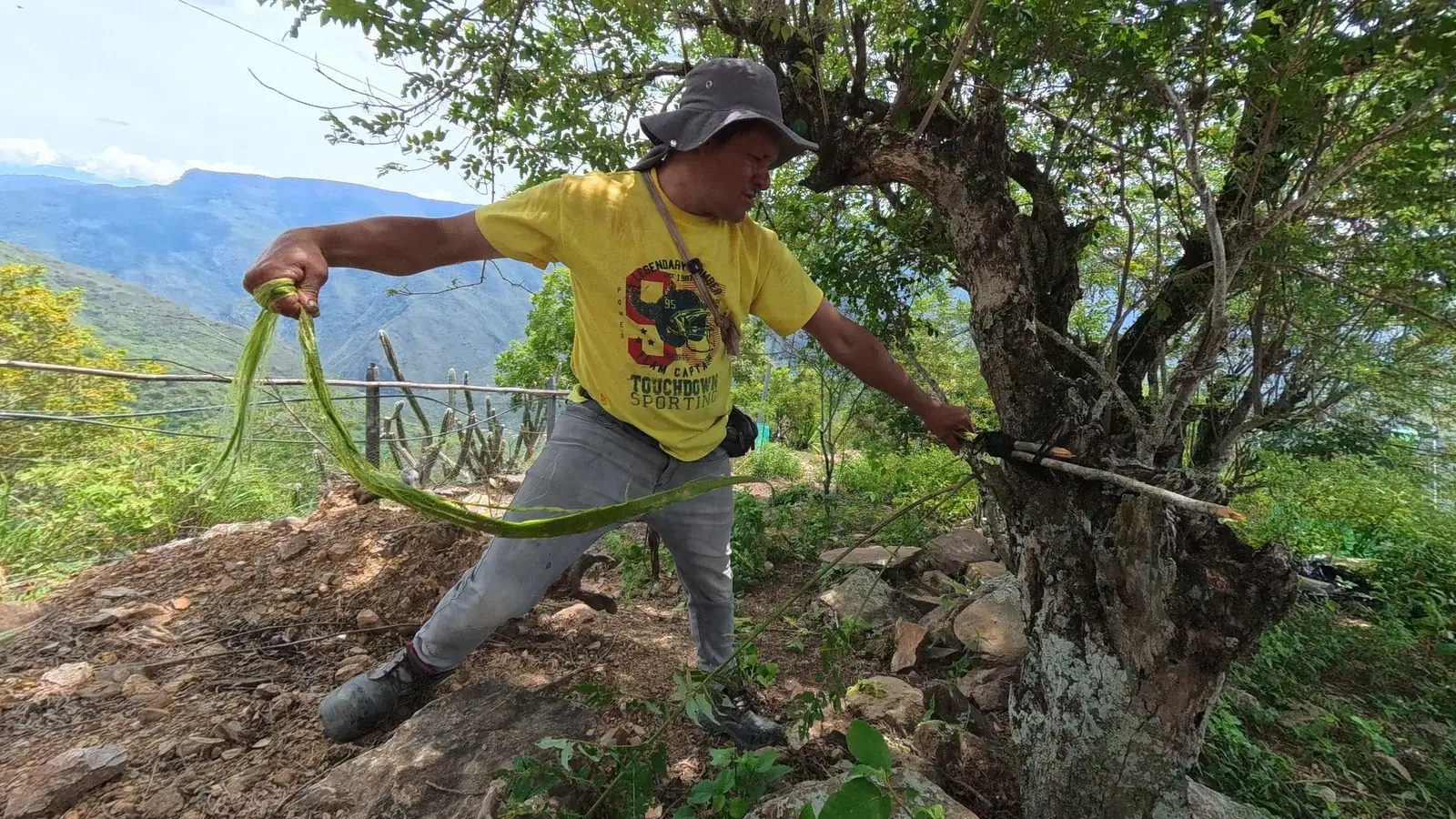
From loom to product
In finishing, the horizontal loom remains the dominant tool for larger pieces. The crochet hook, more versatile and portable, allows work in fragmented time — between the tasks of the house and those of the plot — and for that reason accounts for much of the production of bags and accessories.
Would you use a crochet hook to weave a large rug?
Association as a tool of survival
At this stage, association has proved a key tool of survival, allowing communities to preserve traditional techniques such as natural dyeing and to keep the family workshop alive. Its usefulness is concrete and verifiable. Associating allows inputs to be bought in volume and at better prices; equipment to be shared that no family could acquire alone; a common quality standard to be maintained, which makes large orders possible; and, above all, direct negotiation with the final buyer, reducing dependence on the intermediary.
What does association allow a family workshop to do? Select all that apply.
Dyeing: colour and territory
Natural dyeing, using pigments obtained from plants and minerals of the region, is one of the most fragile forms of knowledge in the trade and, at the same time, one with the greatest distinguishing potential in the contemporary market. Each recipe — which plant, in what proportion, for how long, at what temperature — is local knowledge that cannot be reproduced industrially without losing its character.
Documenting those recipes, with the name of whoever contributes them and the detail of their proportions, is one of the most urgent tasks facing any effort to safeguard the fique trade in Aratoca.
Knowledge is not lost all at once. It is lost recipe by recipe, name by name, hand by hand.
On safeguarding the trade